Watering tomatoes & chilies: less is more
The most common beginner mistake — by a wide margin — is doing too much. Here's the simple rhythm that keeps tomatoes, peppers, basil and lettuce happy without overthinking it.
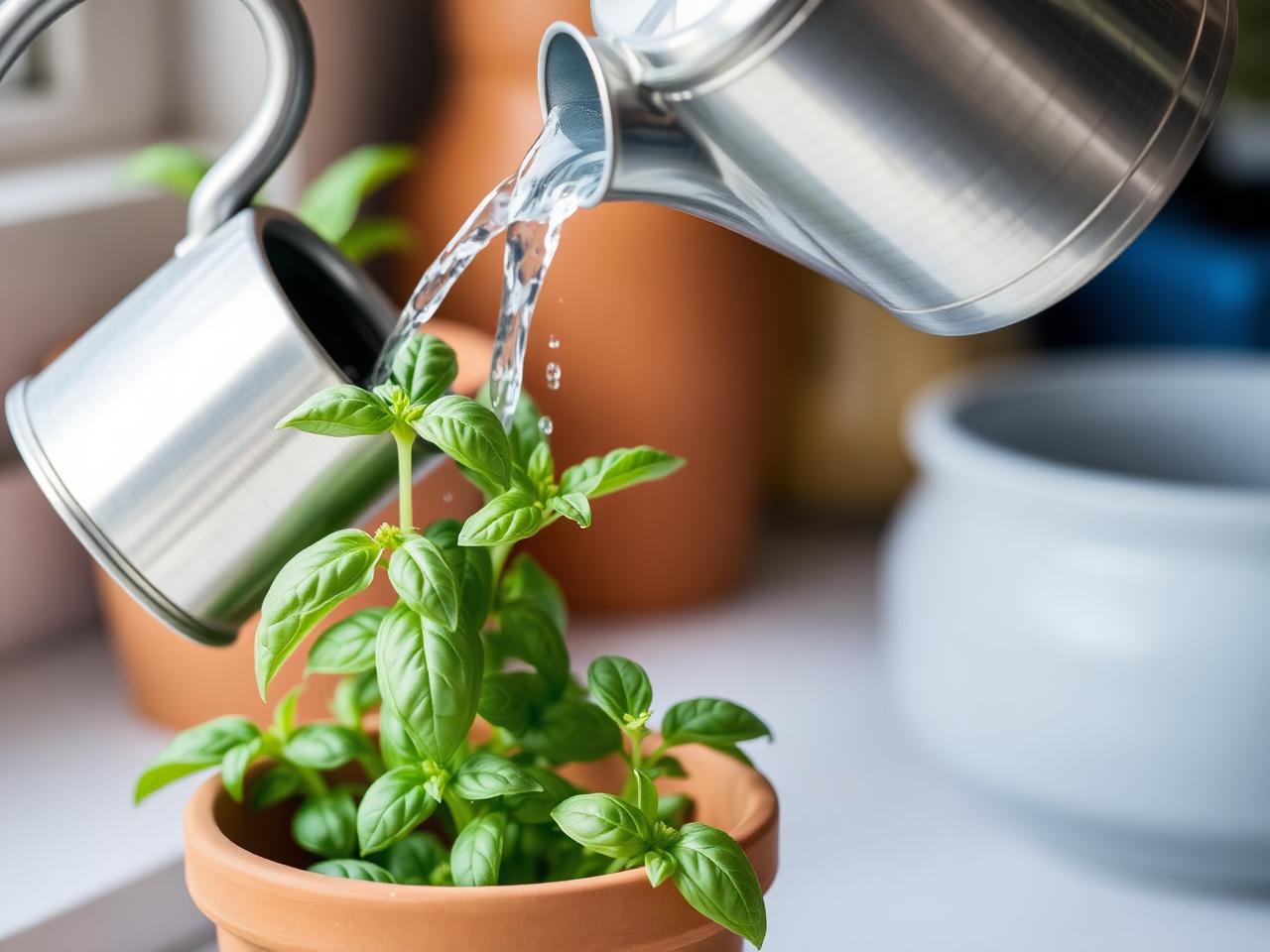
If we could give every new indoor gardener one piece of advice and only one, it would be this: do less. Water less often. Add nutrients later. Start every dose at half the bottle's recommendation. Plants can't tell you they're fine — they can only tell you when something's wrong, and by the time symptoms show up, you're already a week behind.
The finger test
Push your index finger 2 cm into the soil at the edge of the pot. If it comes out clean and dry, it's time to water. If soil clings to your finger and feels cool, wait another day. That's the entire watering decision tree for the first two months.
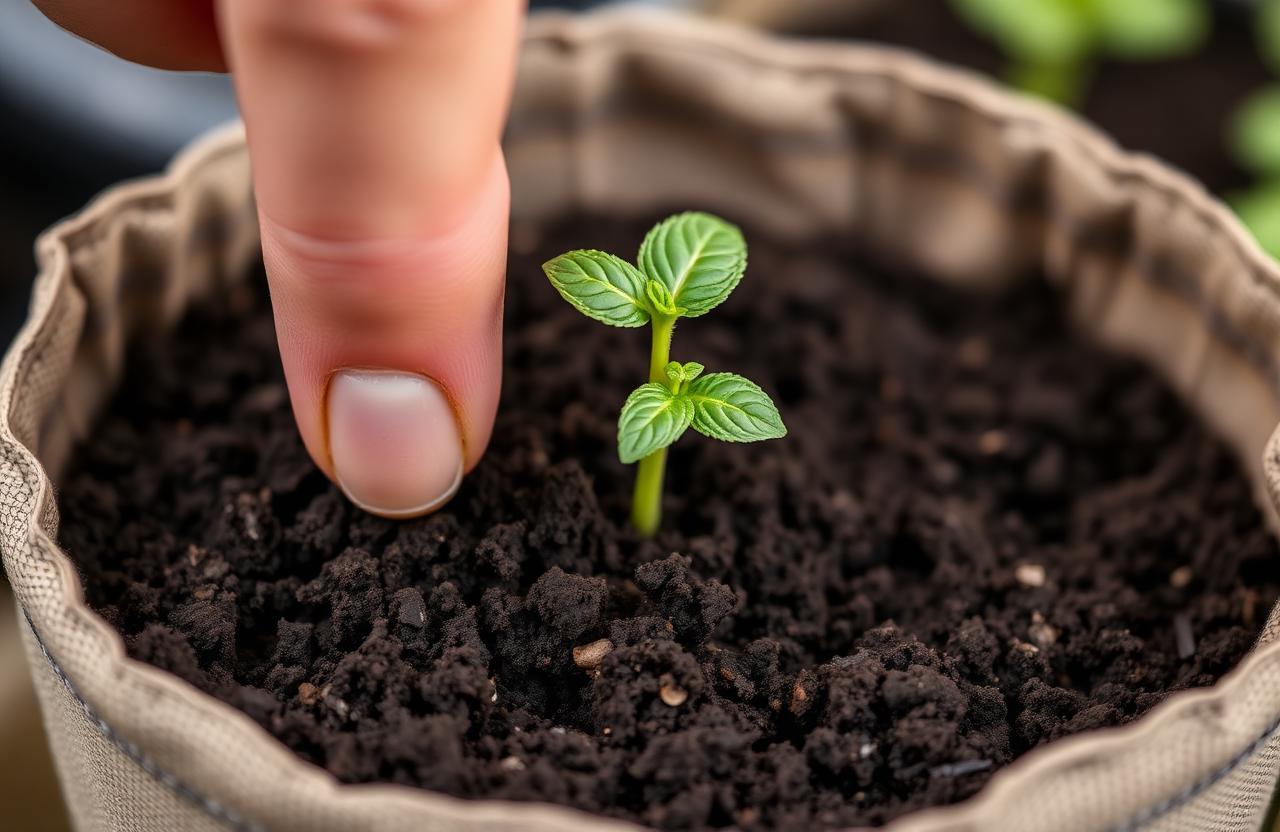
Lifting the pot is the second-best test. A wet 7 L pot in soil weighs around 6 kg; a thirsty one weighs about 2 kg. After your second or third watering you'll feel the difference instantly.
How much water at a time
Roughly 10–20% of the pot volume per watering. A 7-liter fabric pot wants 0.7 to 1.4 liters at a time. Pour slowly and evenly across the surface, in two or three passes. Stop when you see the first tiny drip emerge from the bottom of the fabric — that means you've fully wetted the root zone without flushing nutrients out.
Water quality
- Tap water is fine in most European cities. Let it stand uncovered for 24 hours so the chlorine evaporates.
- If your tap water exceeds 0.5 EC (very hard water), mix 50/50 with bottled spring water or RO water.
- Aim for a pH of 6.0–6.5 in soil and 5.5–6.2 in coco or hydro. A €15 pH meter pays for itself in one cycle.
- Water at room temperature. Cold water shocks roots and slows growth for days.
When to start nutrients
Wait until your plant has 4–5 sets of true leaves and is actively pushing new growth — usually around day 18–25. Then start at half the dose recommended on the bottle, mixed into your normal water. Pre-fertilized soils like Bio-Bizz All-Mix can buy you another two weeks before any nutrients are needed at all.
The minimum nutrient lineup
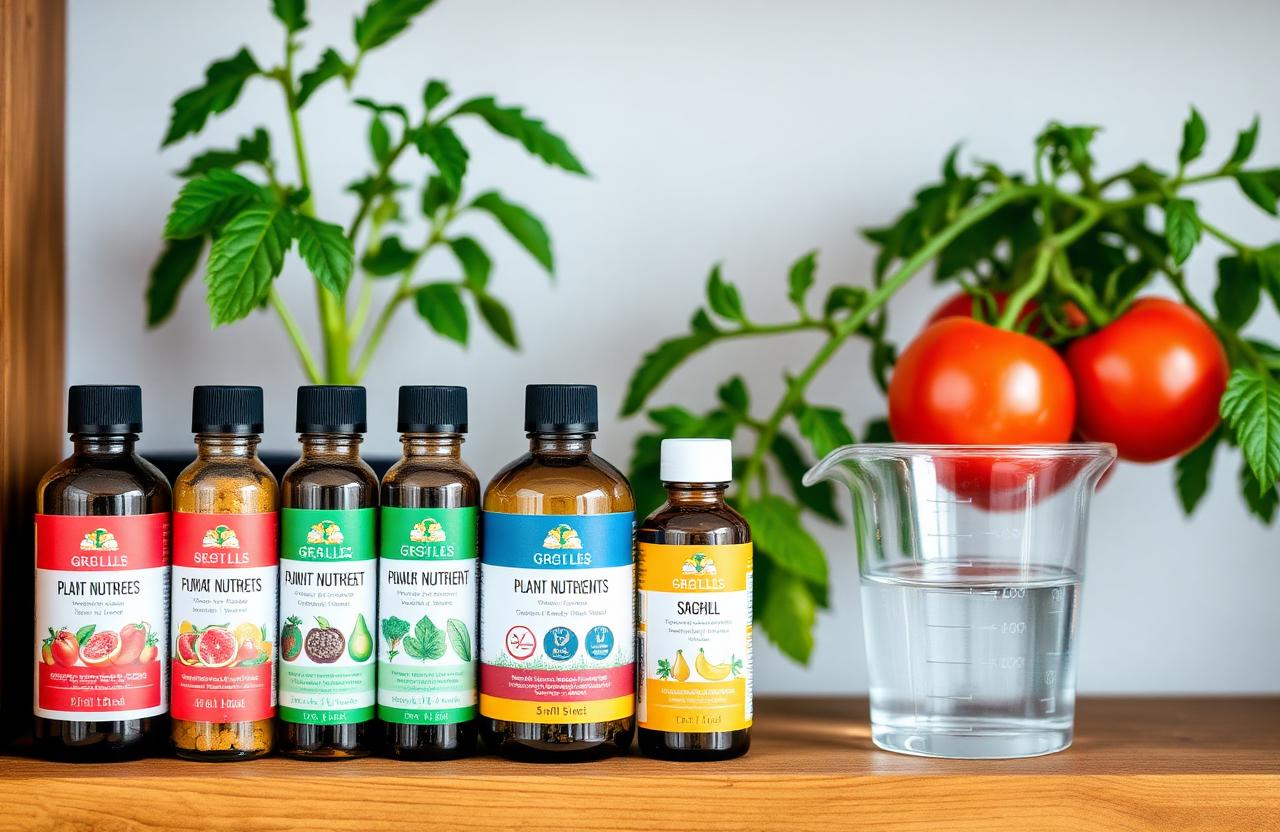
You don't need a 12-bottle nutrient kit for your first few harvests. Two bottles cover 95% of what an indoor vegetable garden actually needs:
- A vegetative grow nutrient (Bio-Bizz Bio-Grow, Advanced Nutrients Sensi Grow A+B). Used during the first 4–6 weeks while leaves and stems develop.
- A fruiting nutrient (Bio-Bizz Bio-Bloom, Advanced Nutrients Sensi Bloom A+B). Used from the moment the first flowers appear on tomato or chili plants until the last 10 days before harvest.
Reading the leaves
The leaves tell you everything. Spend two minutes looking at them every day and you'll catch problems a week before they get serious.
- Deep, even green and slightly upward-pointing leaves: perfect.
- Pale, yellowish, lighter on the lower leaves: needs more nitrogen — bump the grow nutrient up.
- Brown crispy tips on multiple leaves: nutrient burn — flush with plain water and back off the dose.
- Yellow patches between green veins on older leaves: magnesium deficiency — common in soft water.
- Purple stems and slow growth: usually too cold, sometimes phosphorus — check tent temperature first.
Switching from grow to fruiting nutrients
Switch from a vegetative nutrient to a fruiting nutrient when your tomato or chili plant shows its first small flowers — usually 6–8 weeks after germination. For leafy greens and basil, stay on the vegetative nutrient throughout: there's no fruiting stage to feed. Don't try to overlap the two; one or the other, with a single transition watering in between using just plain pH'd water.
The flush before harvest
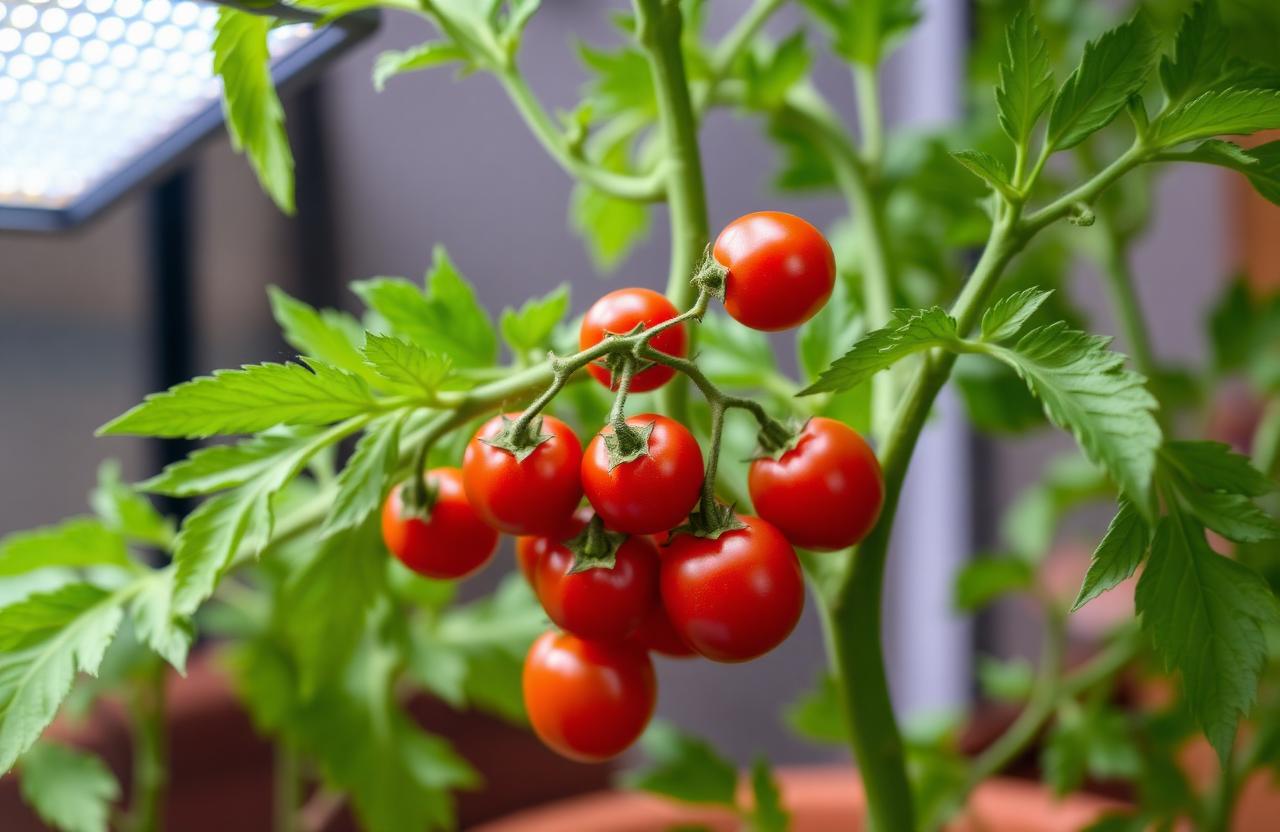
In the last 7–14 days before picking your tomatoes or chilies, switch to plain pH'd water with no nutrients at all. The plant will use up the nutrients stored in its leaves, leaving the fruit cleaner-tasting and free of any salty mineral aftertaste. You'll see the lower fan leaves yellow — that's exactly what you want. It means the flush is working.
Picked to match this guide
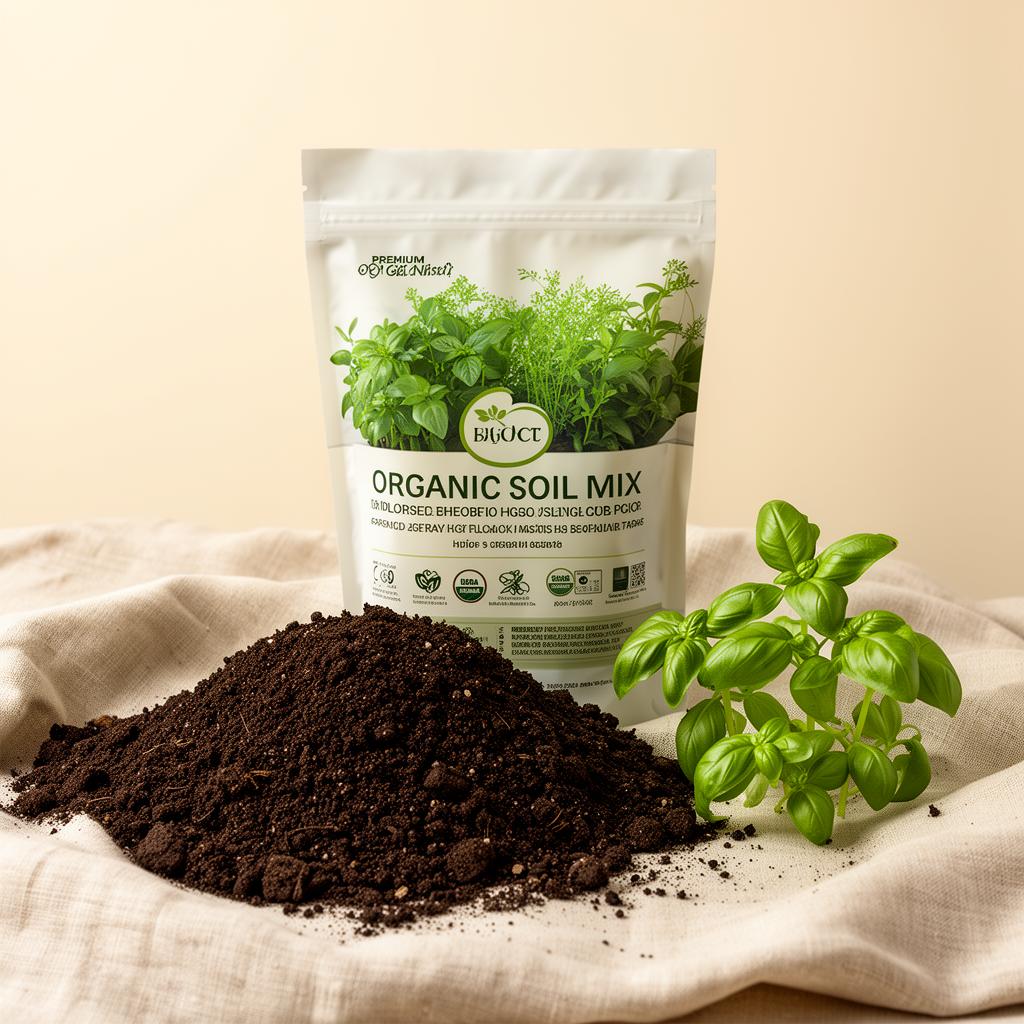
BioBizz
BioBizz Light-Mix 50L
Lightly fertilized organic soil — ideal for seedlings, herbs and leafy greens.
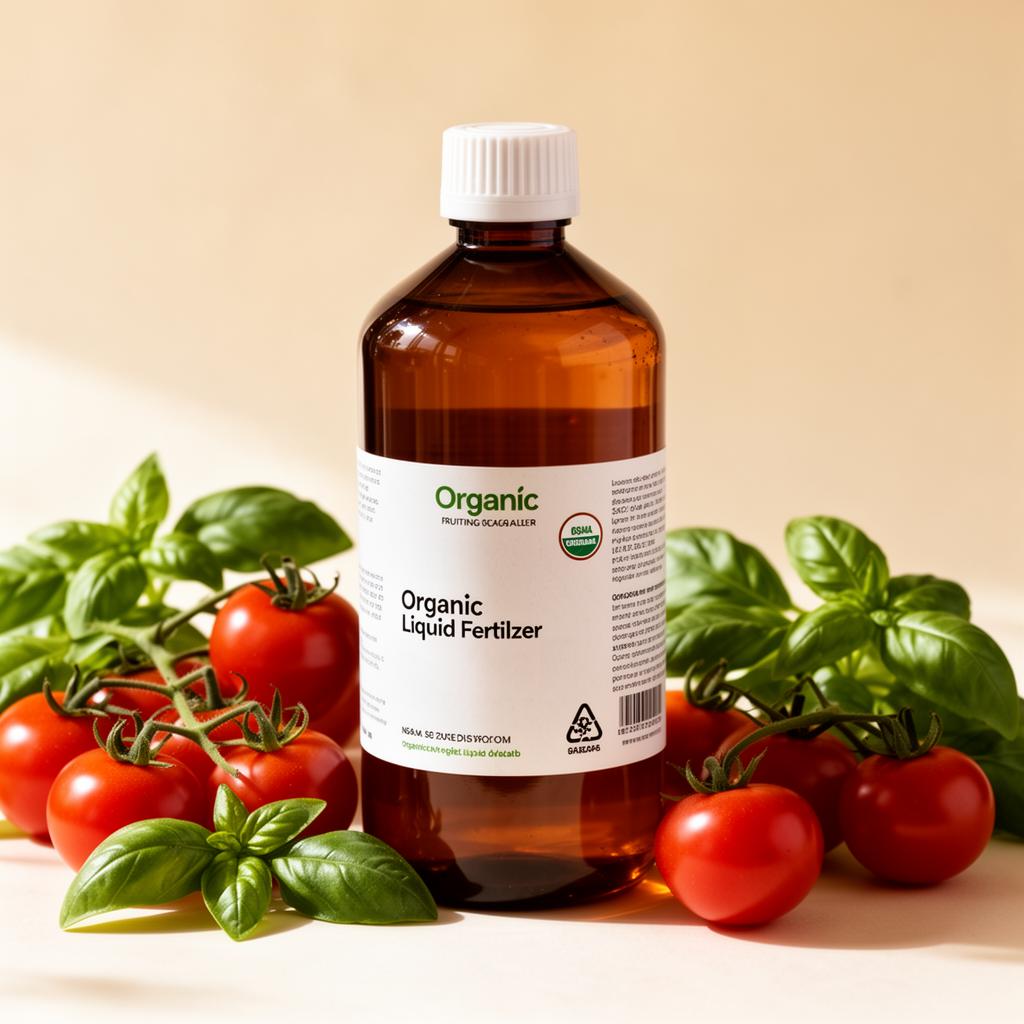
BioBizz
BioBizz Bio-Fruit 1L
Organic fruiting-stage feed for sweeter tomatoes and bigger peppers.
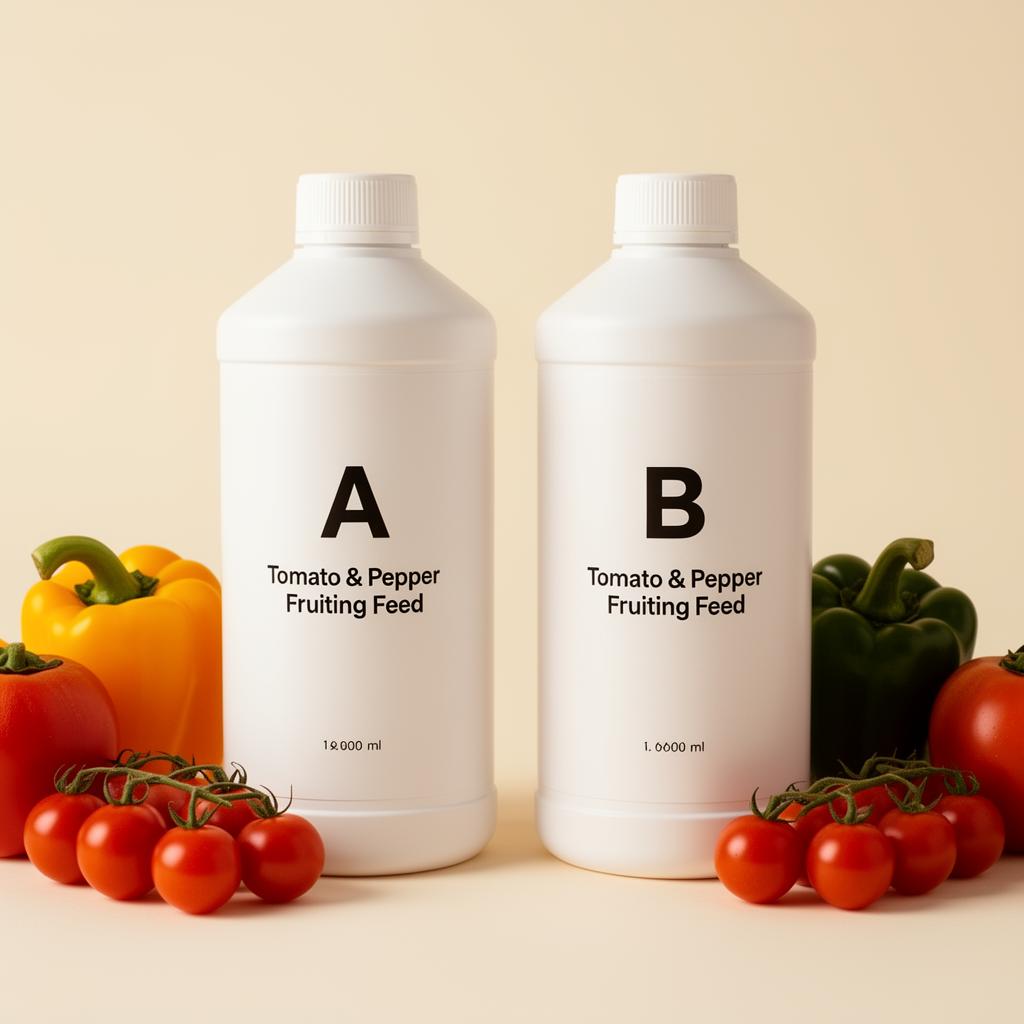
Advanced Nutrients
Advanced Nutrients pH Perfect Sensi Fruit A+B 1L
Self-buffering two-part fruiting feed for tomatoes and peppers — no pH meter needed.