How much LED light do tomatoes & peppers really need?
Forget PPFD charts and spectrum graphs. Here's the practical sizing rule that gets beginners 95% of the way there for tomatoes, chilies and leafy greens — plus when it's worth caring about the other 5%.
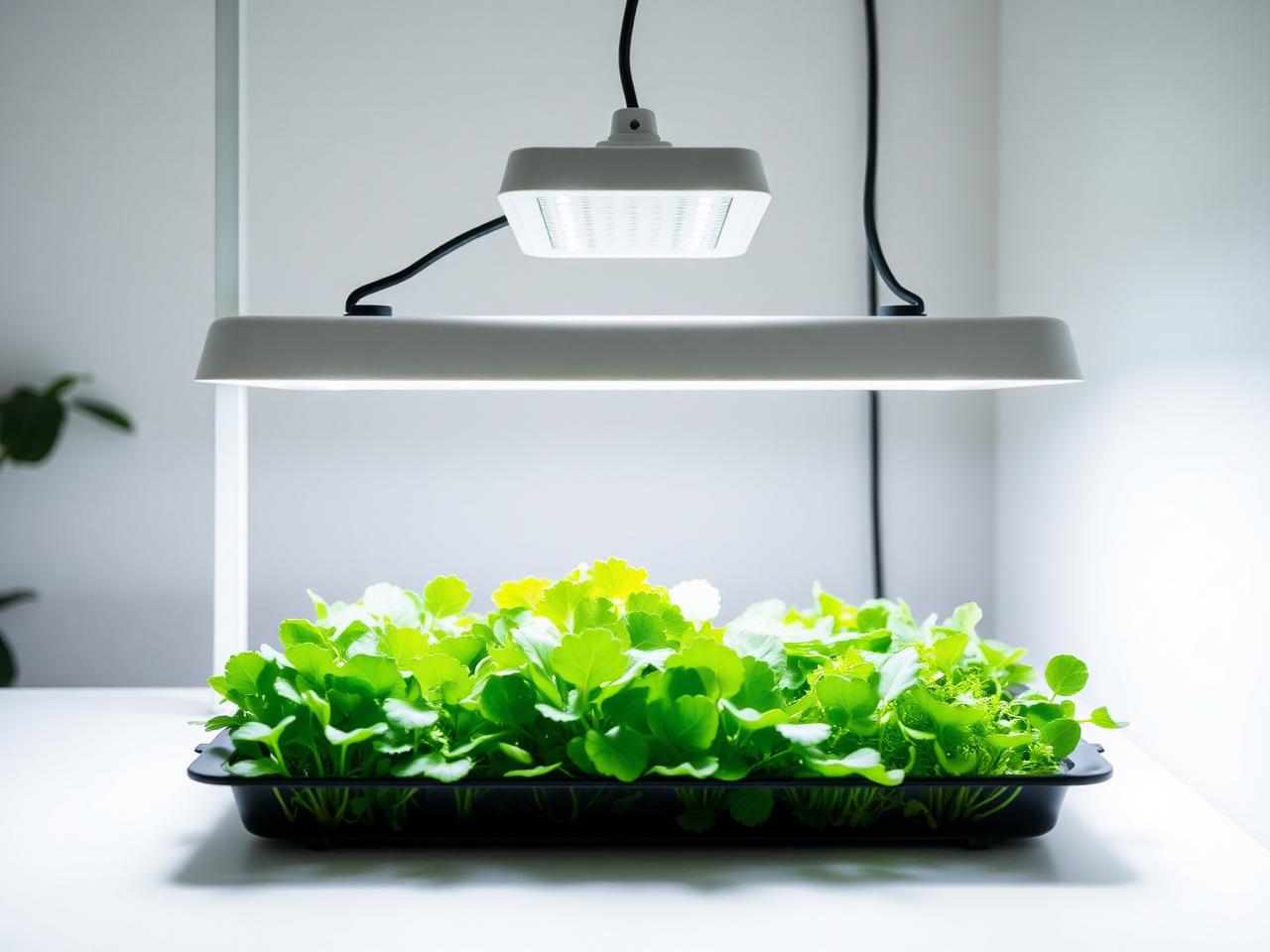
Lighting is the single most-discussed and most-overcomplicated part of indoor growing. PPFD maps, photon flux density, far-red supplementation, McCree curves — there's enough jargon to fill a textbook. You don't need any of it. You need to match wattage to tent size and hang the fixture at the right height. That's the whole game for your first five harvests.
The simple sizing rule
Modern full-spectrum LEDs from reputable brands (Sanlight, Lumatek, Spider Farmer, Mars Hydro) all sit in roughly the same efficiency band: about 2.5 to 2.8 µmol per joule. At those efficiencies, a single number — watts per square meter — is enough to land you in the sweet spot for both vegetative growth and flowering.
100–150 W
60 × 60 cm tent
180–240 W
80 × 80 cm tent
250–320 W
100 × 100 cm tent
320–450 W
120 × 120 cm tent
The lower number in each range is plenty for leafy greens, herbs and seedling/vegetative growth. The higher number is what you want once tomatoes and peppers start setting fruit, when the plant can put the extra photons to work building heavy, sweet harvests.
Why this rule works
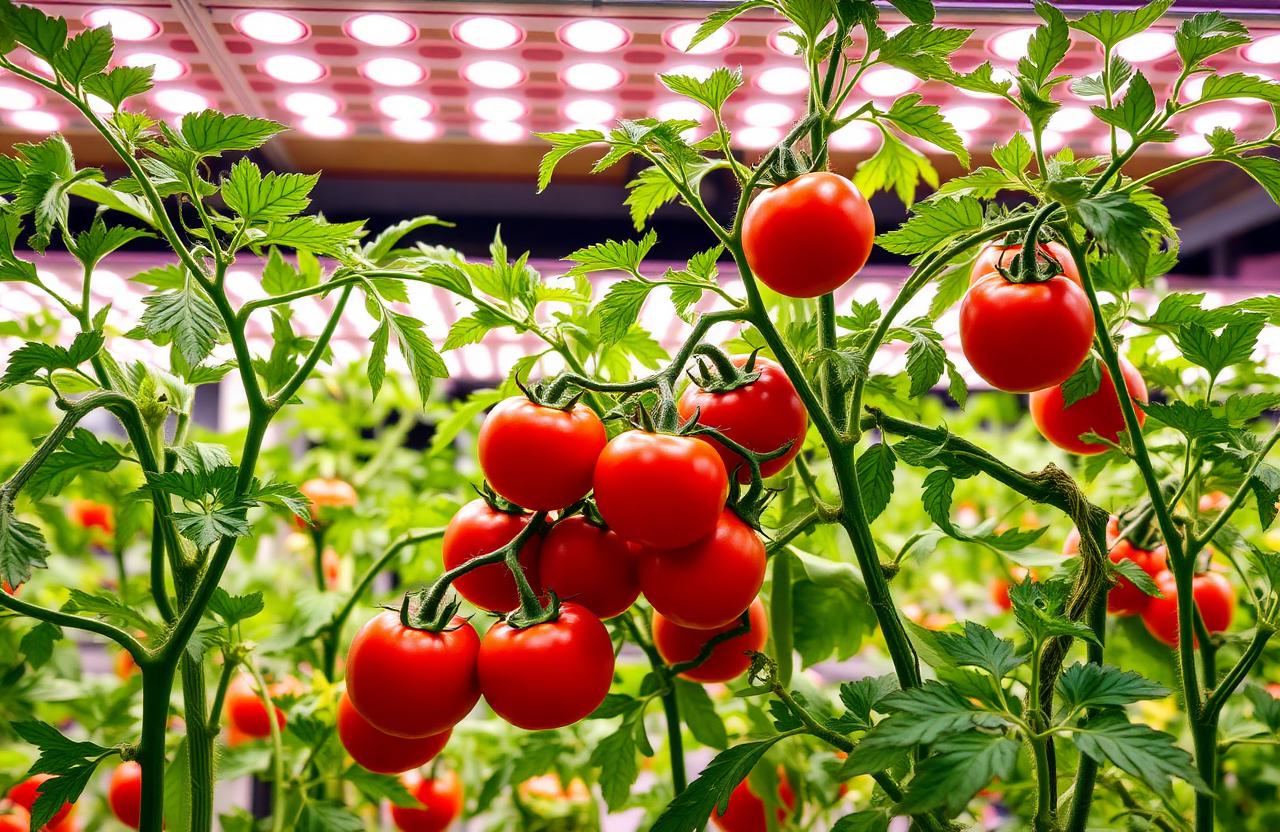
Fruiting vegetables like tomatoes and peppers are among the most light-hungry indoor crops — but only up to a point, and only when the rest of the environment (temperature, CO₂, humidity, water) keeps up. The wattages above land you near the saturation point for a typical ambient-CO₂ home setup. Adding more light beyond that doesn't grow more tomato; it just heats up your tent and your power bill. Leafy greens and herbs need significantly less than the upper range.
How high to hang it
Start at 40–50 cm above the top of the canopy. Then read the plant's response over the next 2–3 days:
- Top leaves curl down and away from the light (a 'taco' shape): too close. Raise 10 cm.
- Top leaves go pale or look bleached white: way too close or too intense. Raise and dim.
- Plant stretches tall with big gaps between branch nodes: too far. Lower 10 cm.
- Leaves are flat, deep green, and pointing slightly up at the light: perfect.
What to ignore (for now)
Spectrum charts. UV-A and UV-B supplementation. Far-red end-of-day signals. Photon distribution maps. These all matter — but they matter for advanced growers chasing the last 10% of yield, not for your first grow. A good full-spectrum white LED at the right wattage outperforms a beginner using a 'tuned' multi-channel fixture they don't yet understand.
Buy the dimmer. Hang it high. Watch the plant. The plant will tell you what it wants long before any meter does.
When to upgrade
If you've grown two or three full cycles, you're consistently hitting your environment targets, and you want a measurable yield boost — that's the moment to look into PAR meters, CO₂ supplementation, and spectrum tuning. Until then, more wattage is rarely the answer to a yield problem. Better airflow, healthier roots, and a few more days of patience usually are.
Picked to match this guide
Lumatek
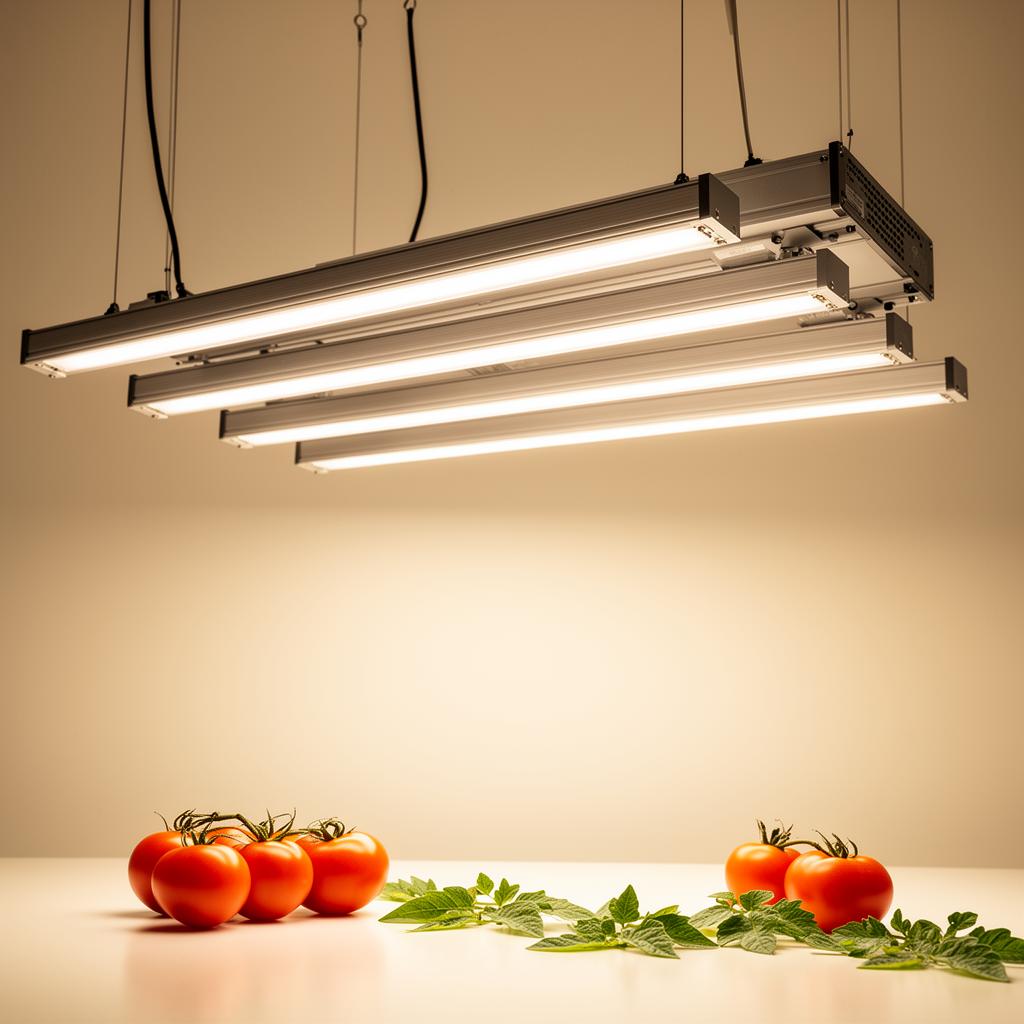
Lumatek Zeus 600W PRO 2.9 LED
Pro bar-style LED for 120×120 — efficient 2.9 µmol/J output for heavy fruiting crops.
Lumatek
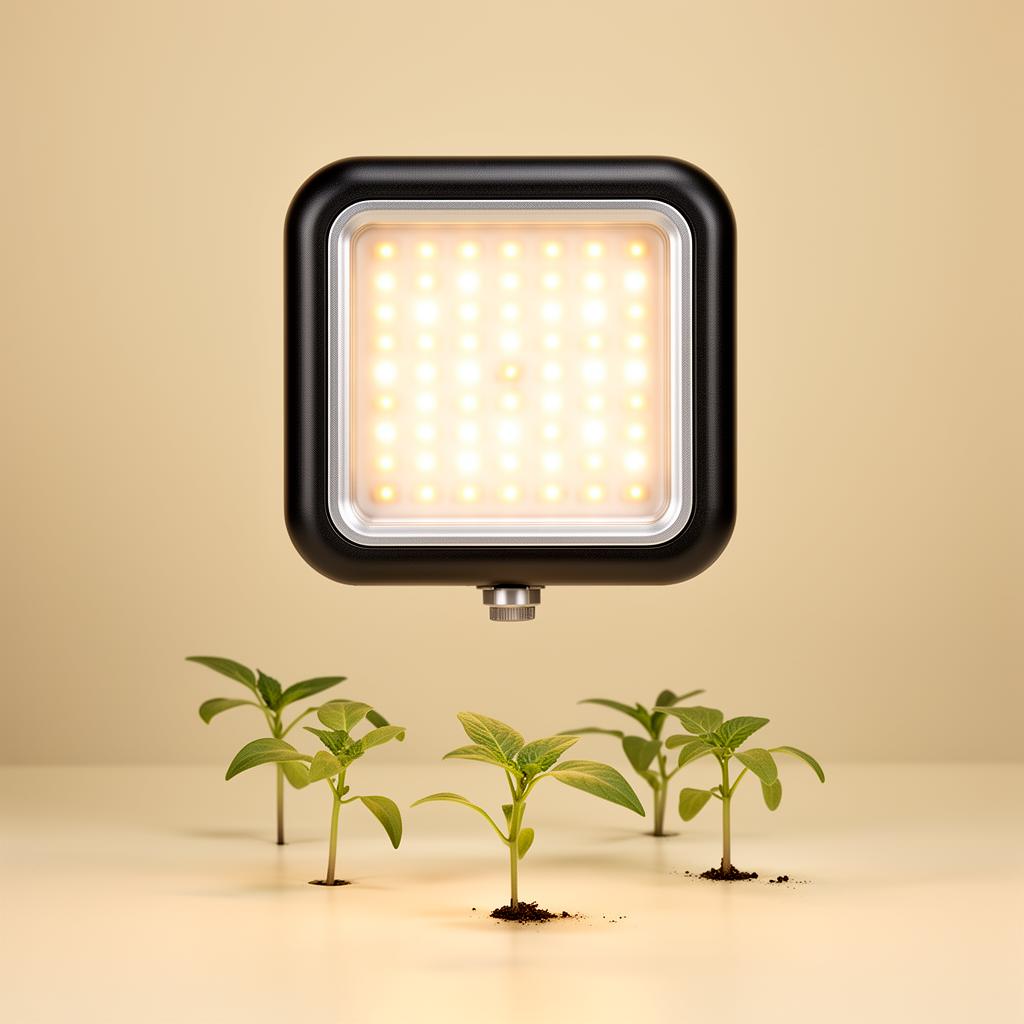
Lumatek ATS 200W PRO LED
Reliable mid-power LED — passively cooled, dimmable, perfect for tomatoes and peppers.
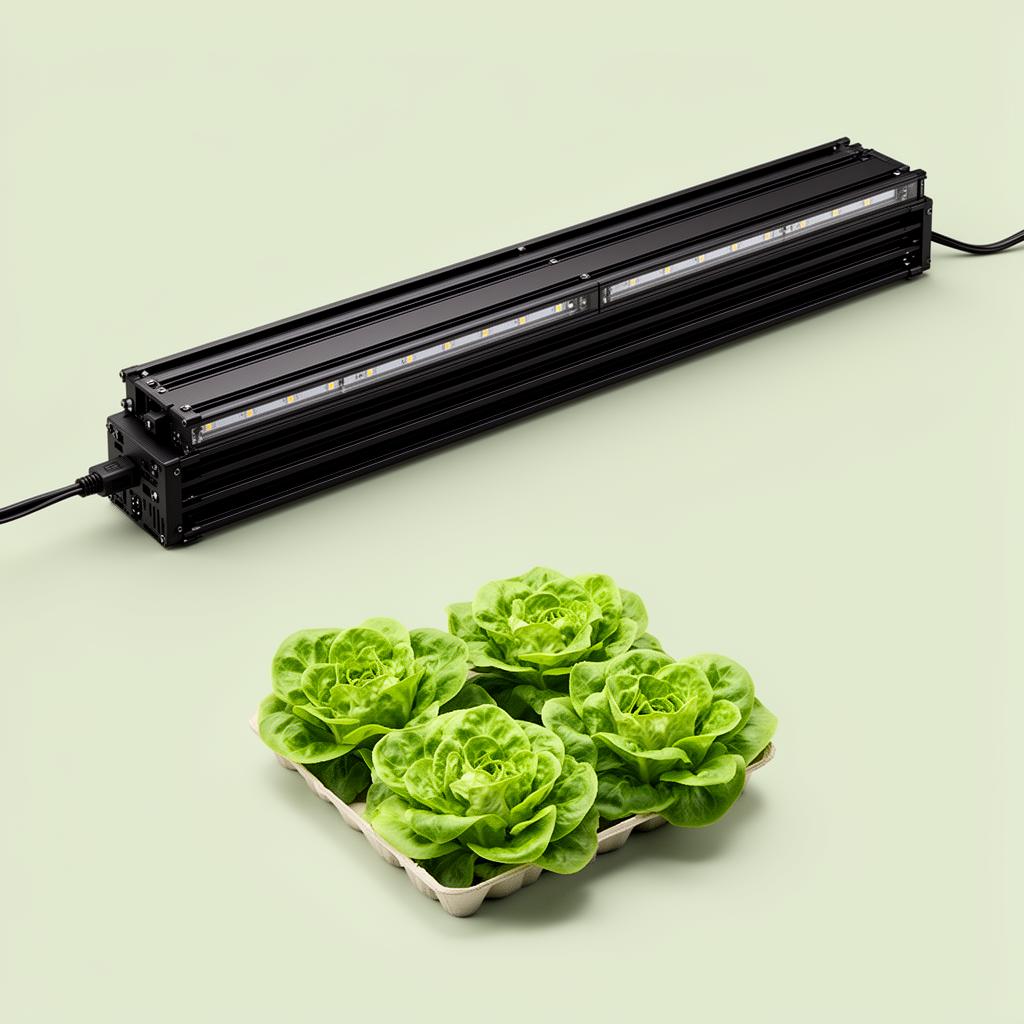
Sanlight
Sanlight Q3W Gen 2 120W
Premium Austrian LED — quiet, efficient and built to last for years of indoor harvests.