Airflow for healthy basil and leafy greens
Your fan does two jobs: it keeps the tent climate fresh, and it keeps kitchen smells (and pollen) under control. Here's how to size both — and why the cheap setups always fail at one or the other.
Ventilation is the most under-appreciated part of an indoor garden. A good fan does four jobs at once: it keeps temperature and humidity in range, it brings fresh CO₂ to the leaves, it strengthens stems through gentle wind stress (vital for tomatoes and peppers that will carry heavy fruit), and — through a carbon filter — it keeps any kitchen, soil or pollen smells tucked inside the tent.
Most beginner gardens that 'just don't yield well' have a ventilation problem at the root. Hot tent, stagnant air, weak inflow of fresh CO₂. Get this right once and a lot of other problems quietly disappear.
How much airflow do you actually need
The rule of thumb: your extraction fan should be able to exchange the entire tent volume every 1 to 3 minutes. Multiply your tent volume in cubic meters by 60 (for a one-minute exchange) to get the minimum airflow rating in m³/h.
120–180 m³/h
60 × 60 × 160 (≈0.58 m³)
240–360 m³/h
80 × 80 × 180 (≈1.15 m³)
400–600 m³/h
100 × 100 × 200 (≈2.0 m³)
550–800 m³/h
120 × 120 × 200 (≈2.88 m³)
EC vs. AC fans
EC (electronically commutated) fans are quieter, more efficient, and infinitely variable — usually with a smart controller that ramps up and down based on temperature. They cost more up front and pay you back in three ways: a lower power bill, a quieter living room, and a much longer fixture lifespan because the bearings aren't hammered at full speed 24/7.
AC fans are cheaper, louder, and either on or off. For a 60×60 tent in a basement they're fine. For anything in a living space, the EC upgrade is the single best money you'll spend on noise.
How to size the carbon filter
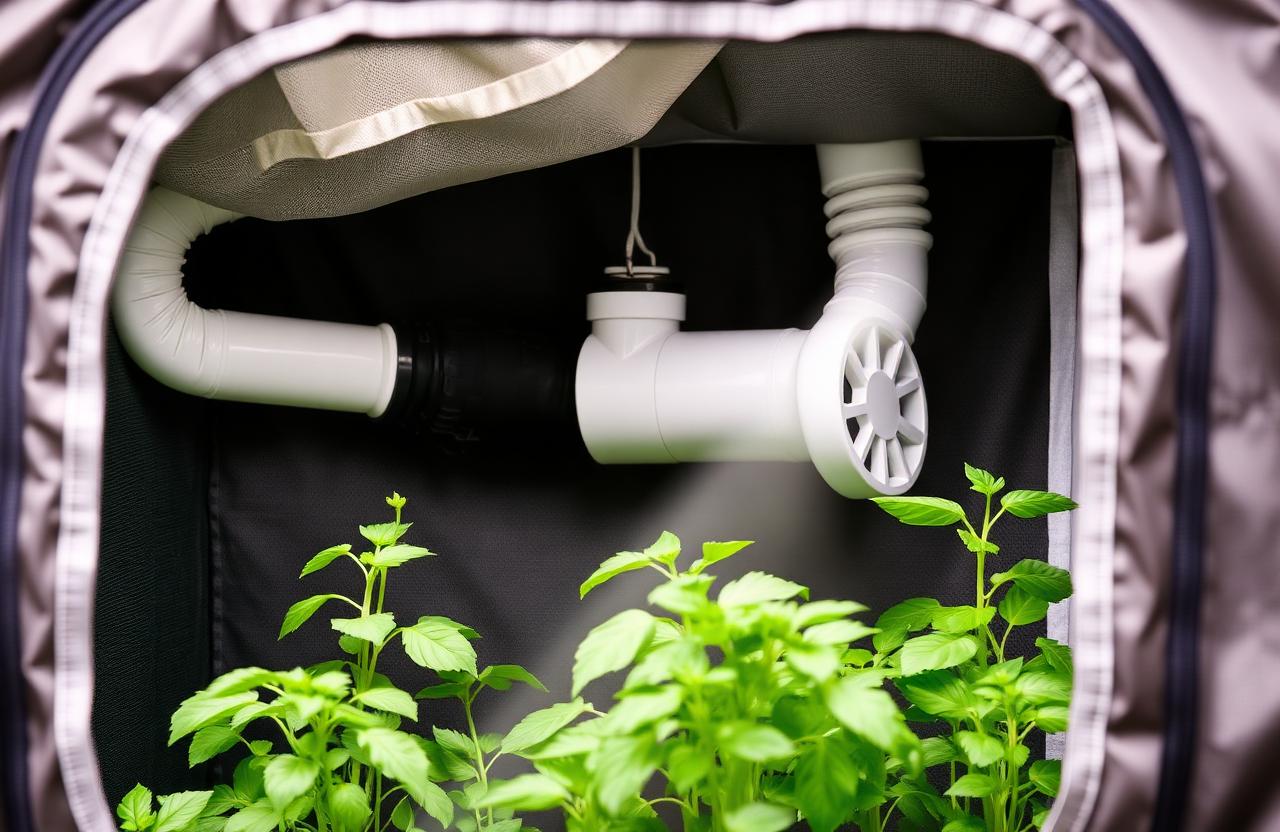
The filter is a cylinder of activated carbon that the air passes through on its way out of the tent. The carbon traps aromatic molecules — useful when you've got a basil jungle in flower, a chili plant releasing volatile oils, or simply want to keep tent humidity from carrying any earthy smell into the rest of the apartment.
Match the filter to the fan, not the tent
- The filter's m³/h rating should match or exceed your fan's rated airflow.
- The filter diameter should match the duct diameter on your fan (usually 100, 125 or 150 mm).
- Look for filters with at least 40 mm of carbon bed depth — thinner ones saturate faster.
- Replace the carbon every 12–18 months of continuous use, or when smell starts escaping.
Don't forget the intake
An extraction fan can only pull as much air as it can replace. If your tent has tiny passive intake holes, the fan starves and runs loud at low effective airflow. Either open larger passive intake ports (with light-trap baffles), or add a small intake fan rated at about 70% of your extraction fan's airflow.
The internal oscillating fan
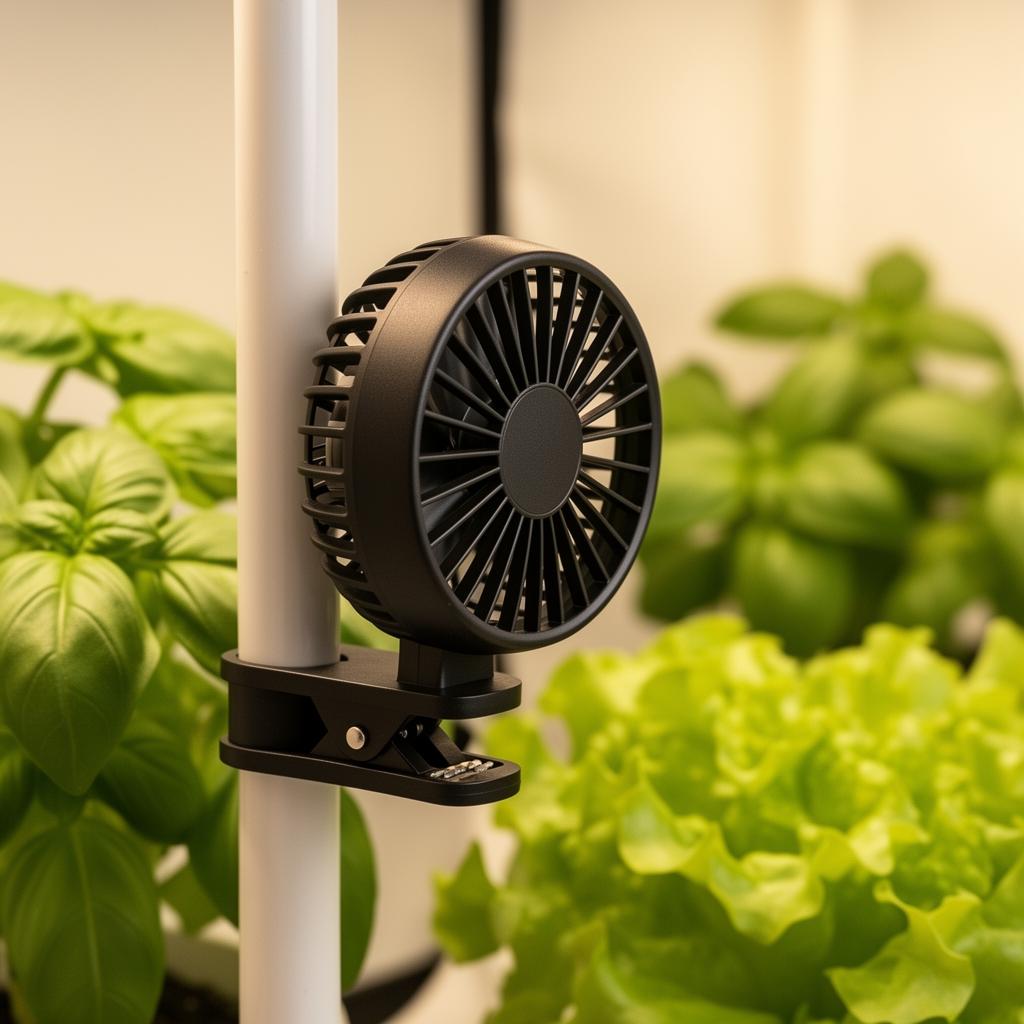
Separate from extraction — and just as important — is a small clip-on or floor-standing fan inside the tent that gently moves air across the canopy. This breaks up the humid micro-climate around each leaf, prevents mildew on basil and lettuce, and strengthens stems through gentle stress so tomato branches can hold their fruit. Aim for a steady breeze that just barely flutters the top leaves. A constant gale damages plants; perfectly still air invites fungal disease.
Picked to match this guide
Prima Klima
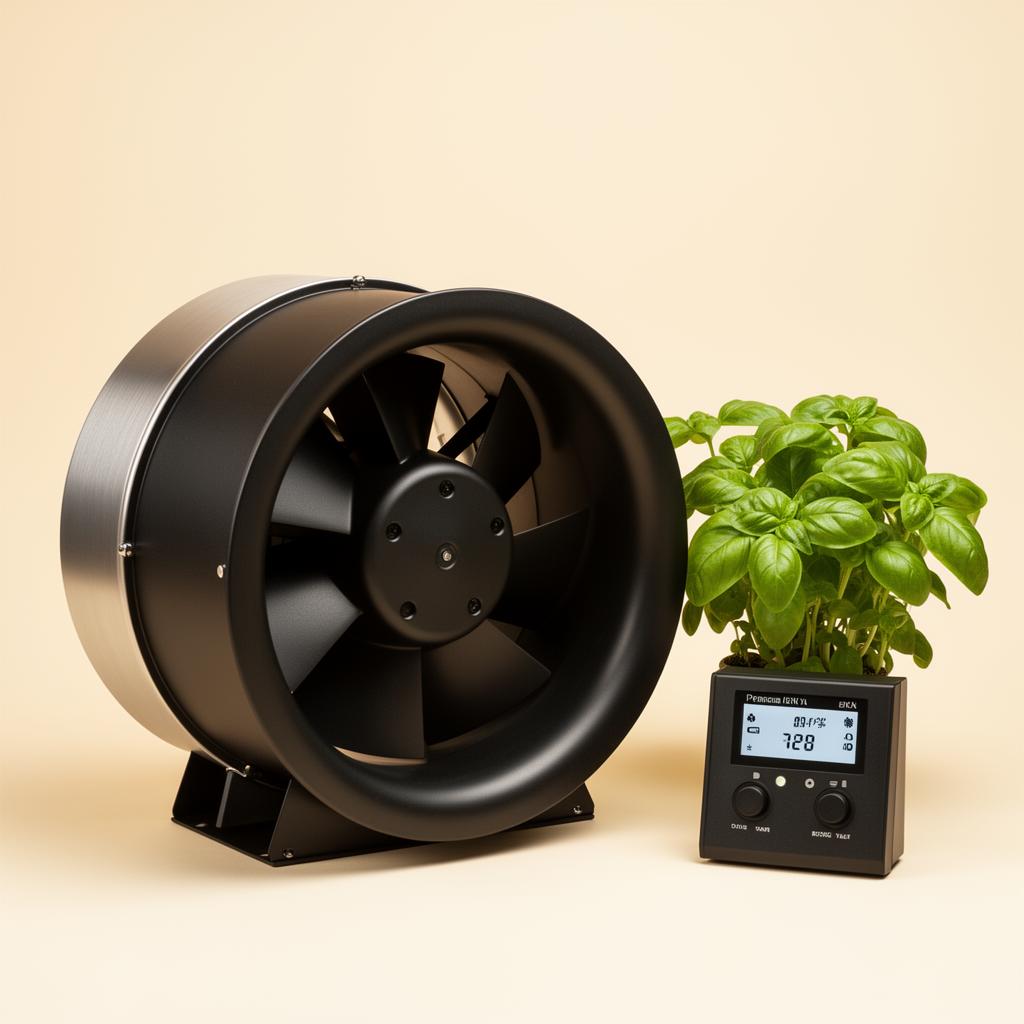
Prima Klima EC-TC Extractor 680m³/h
EC fan with built-in temperature controller — quiet and powerful.
Prima Klima
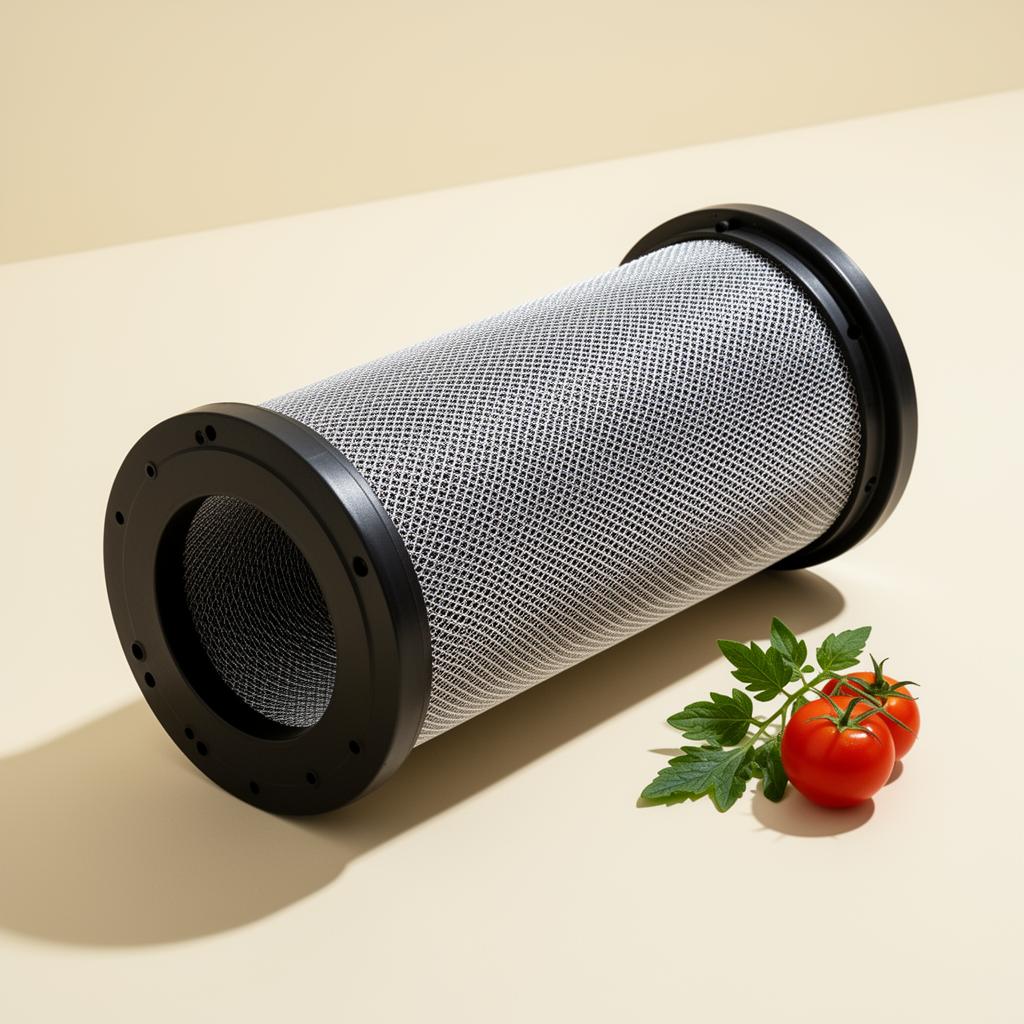
Prima Klima Eco Carbon Filter 470m³/h
Lightweight activated-carbon filter — keeps your kitchen smelling neutral.
Garden HighPro
Garden HighPro Clip Fan 15W
Small clip-on fan to circulate air around your plant canopy.